

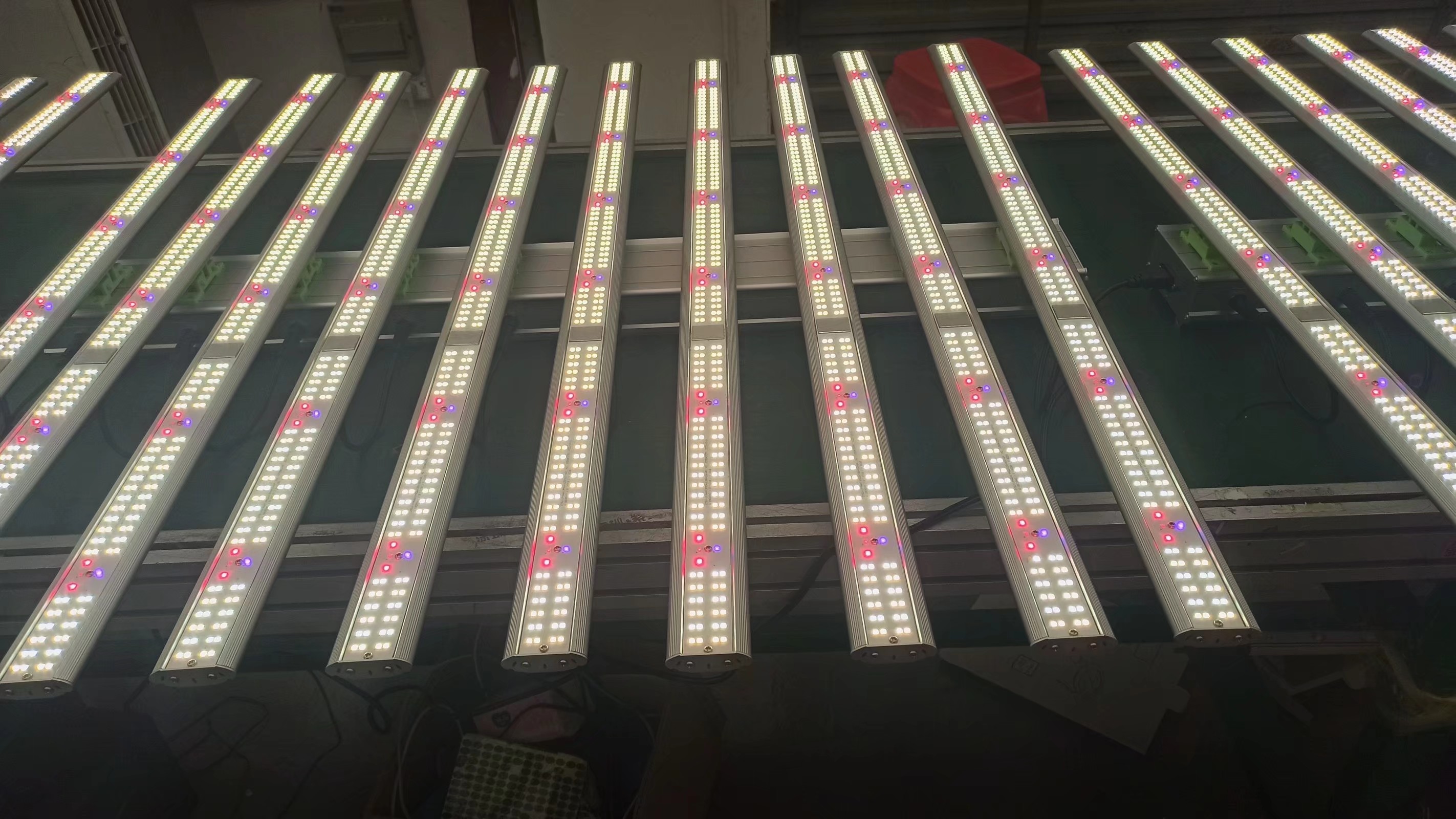
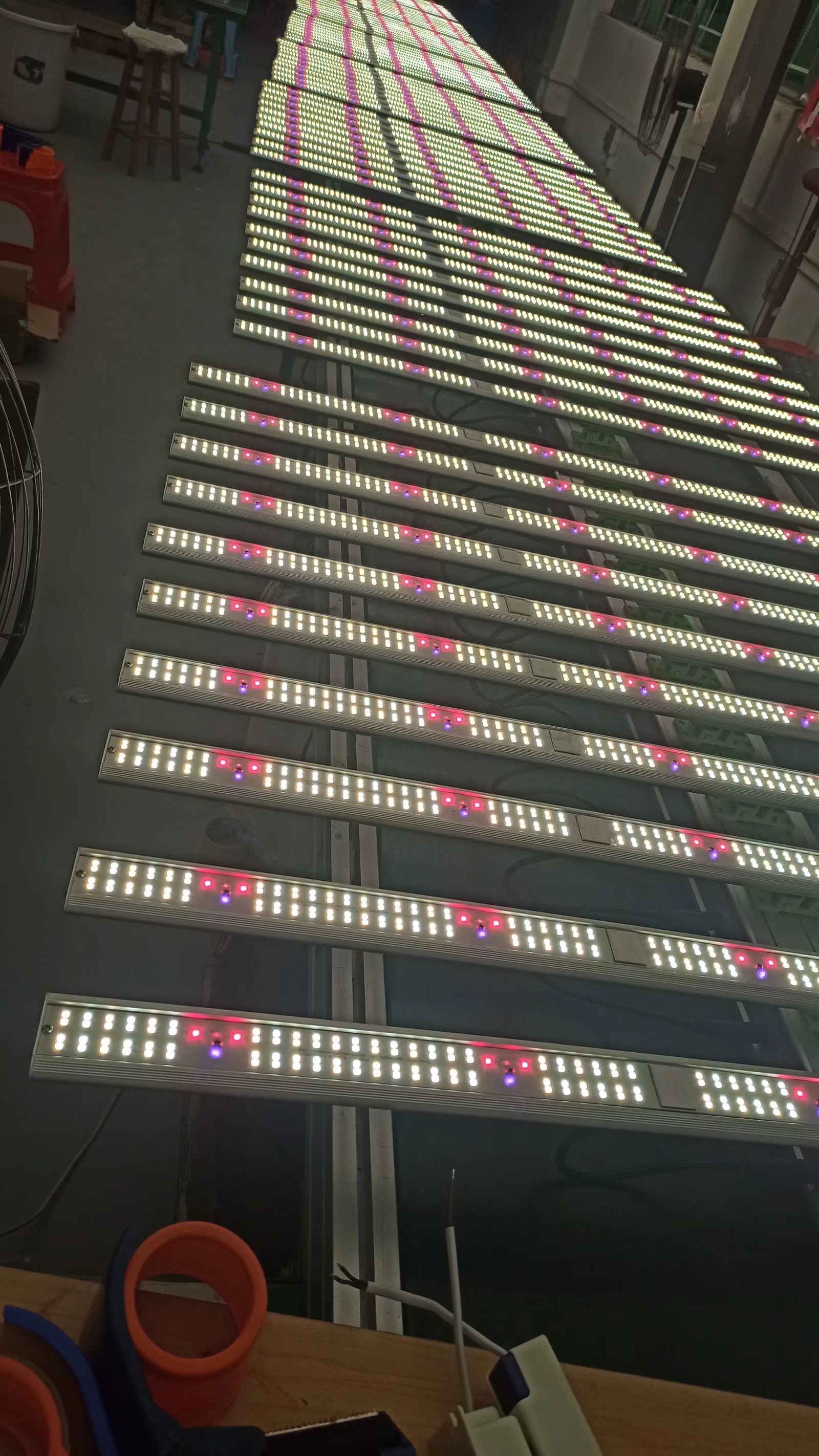
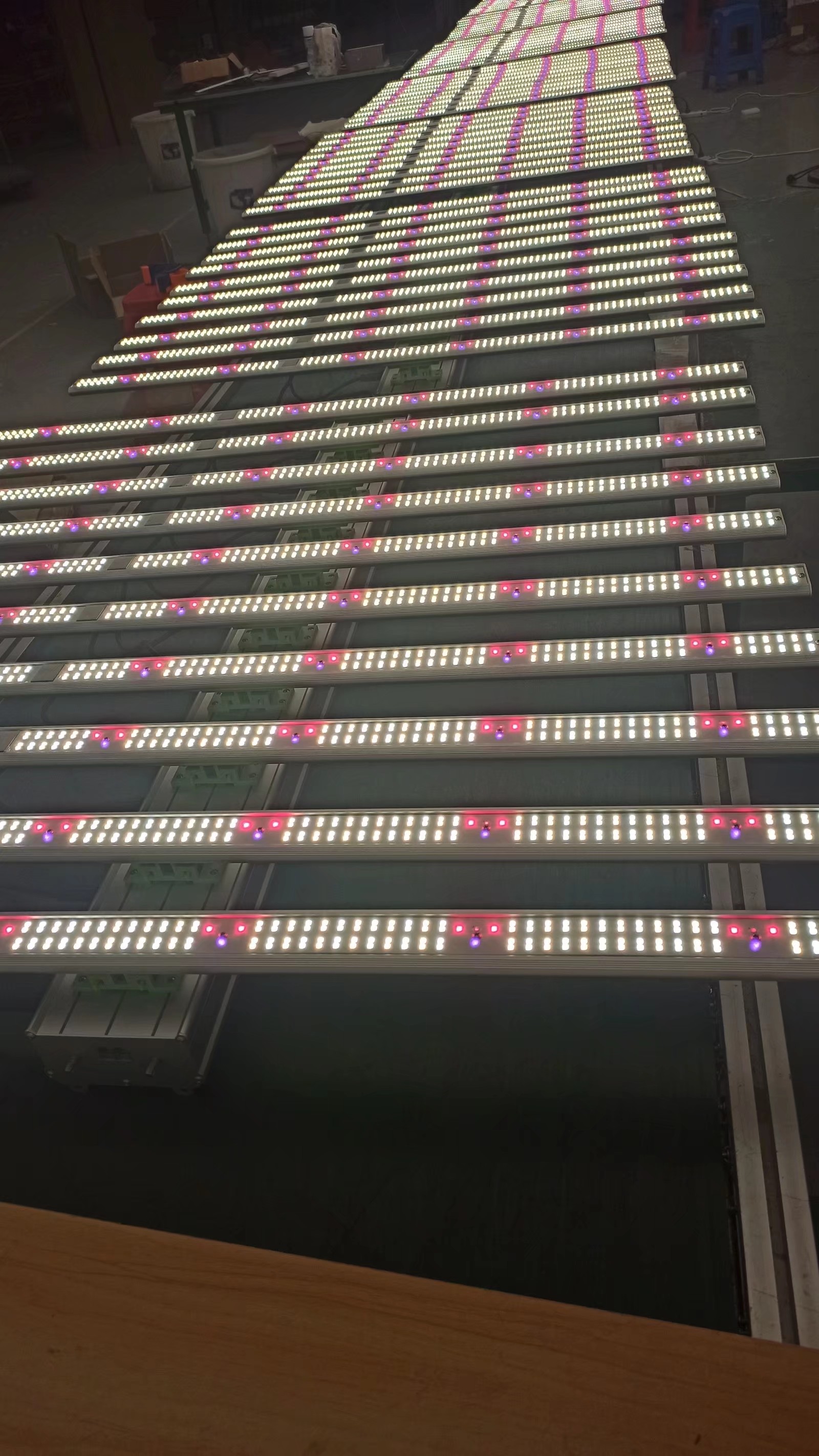
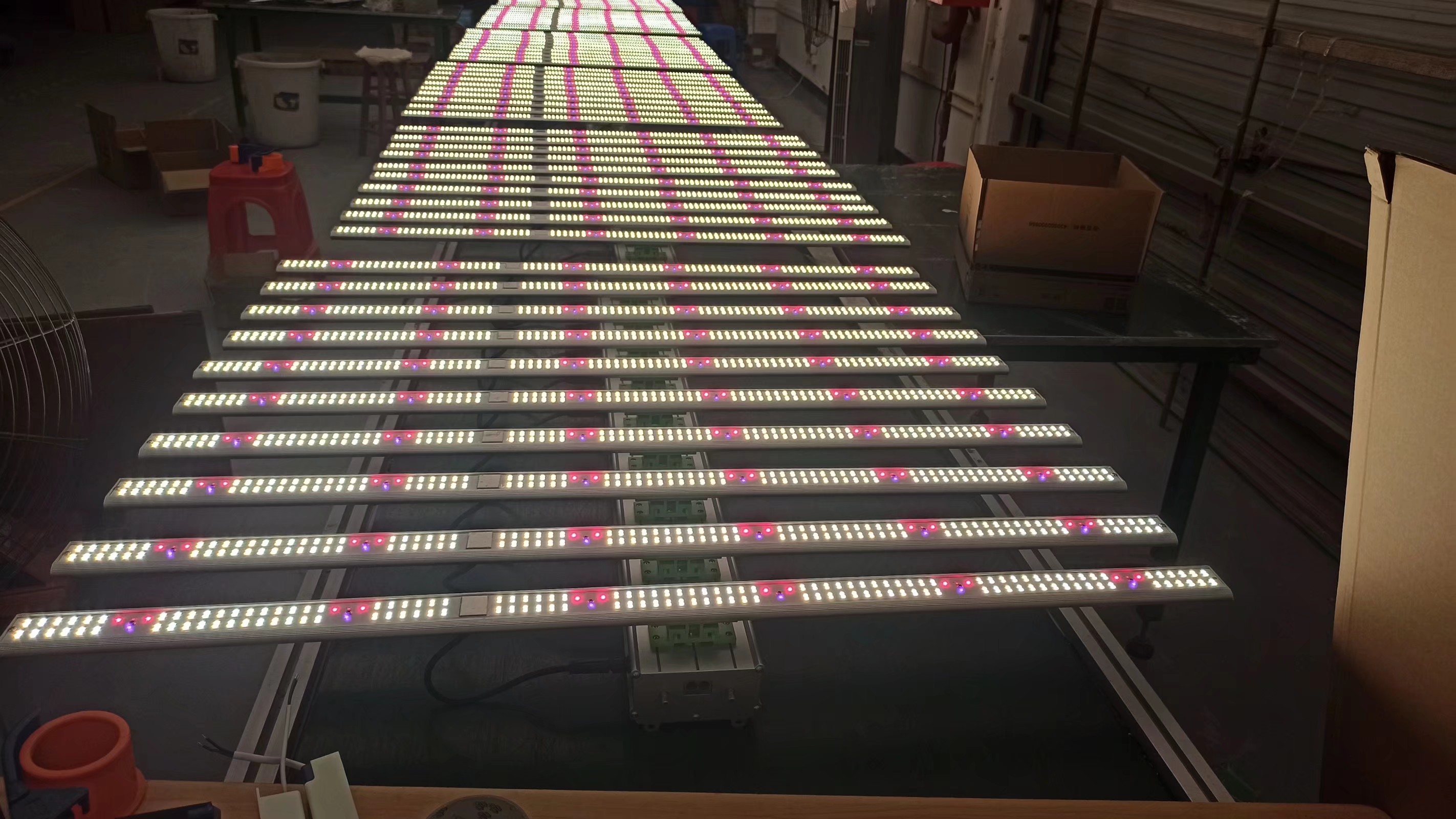
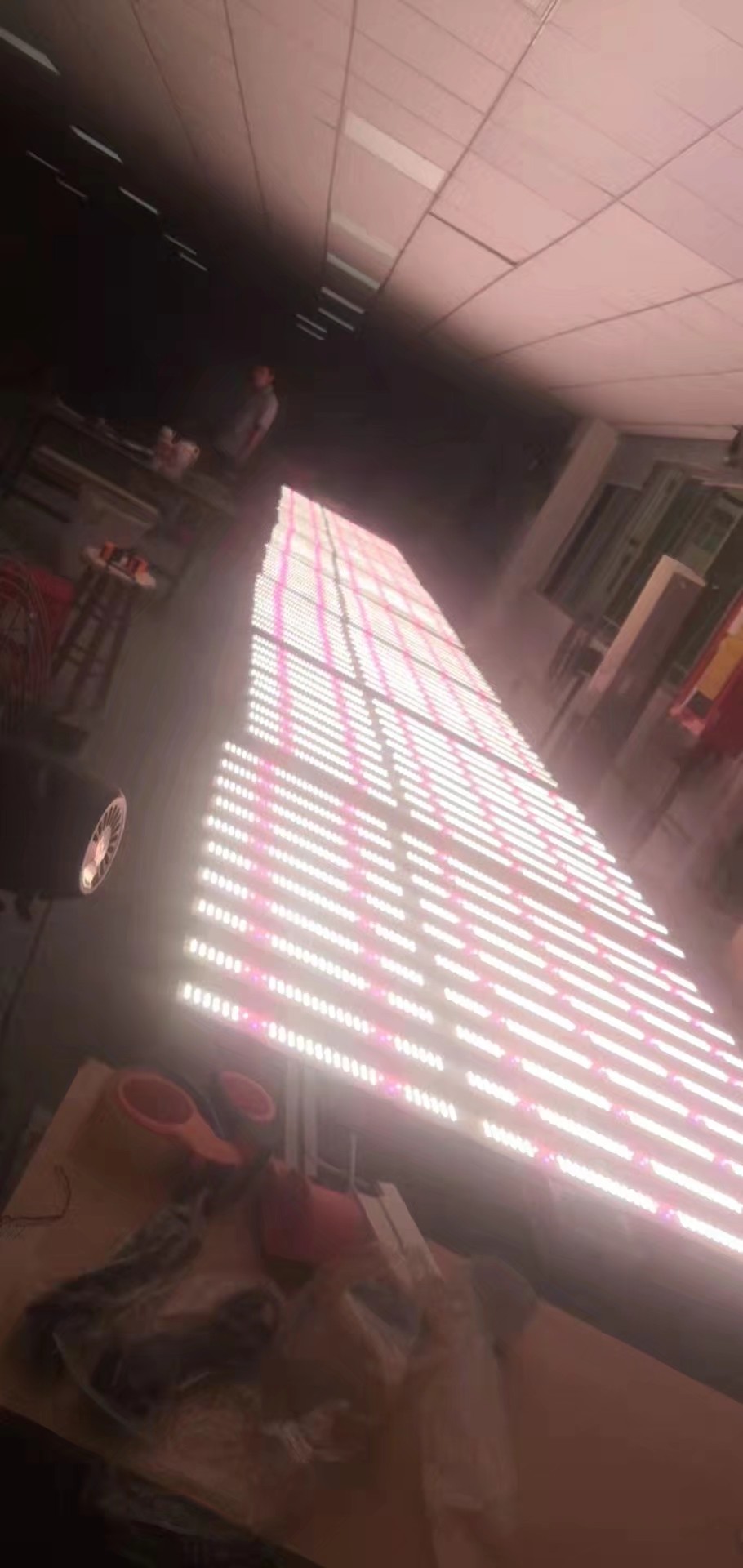
Shenzhen Riyueguanghua 1000W dual knobs full spectrum led grow lights in production
Large and dense cannabis plants mean that you are about to have a good harvest. However, height alone does not mean large production. In fact, it may indicate the opposite. Identifying when cannabis plants stretch and knowing how to respond are the key to achieving good yields. Here's how to deal with weeds and plants that are too high.
Is your marijuana plant too tall? For many reasons, elastic, slender plants can be annoying. From falling to self Immolation on your lighting equipment, it is not advisable for plants to grow out of control.
A taller plant does not necessarily mean a bigger harvest. In fact, tall cannabis plants may be a sign of their unhappiness, especially because they don't have enough light. Insufficient light will not only lead to plant elongation, but also have a negative impact on the size and quality of the final crop.
So, how to prevent weeds and plants from growing too high? There are many options for you to choose from, and some will also help to improve your production!
Why did you stop the marijuana plant from growing too high?
There are many good reasons to stop marijuana plants from growing too high. Whether to maximize the potential of growth space or to hide growth, you need to ensure that your plants grow unchecked.
The following are some of the reasons for controlling the growth of cannabis plants:
Privacy and security large plants will attract more attention through size and smell.
Flowering stretch some plants can double in size at the beginning of flowering. If you are not prepared for this, you may find that your growth space is not large enough.
Plants with equal light distribution will get a lot of light at the crown, but little near the root. This means that the lower buds are difficult to develop and reduce the yield potential.
If you are growing more than one variety, some varieties will be smaller than others. Unless you control the height of higher plants, they will prevent smaller plants from getting enough light.
Prevent light burns. If your plants grow too high and too close to the light, they will be burned. This could hinder overall growth and destroy the main colas at the top.
Why do my marijuana plants grow tall and thin?
If your weed plant grows too high, one of the first things to do is to find out why it happens. Otherwise, you may use the wrong solution, which will have a negative impact on your growth.
Reasons why weeds may become too high include:
Incorrect light distance if your lights are too far from your plants, they will try to get closer. This is an innate behavior that attempts to surpass competitive plant life.
Weak light if your light is not strong enough, your plants will stretch upward. No matter how high or low their position is, they will look for light until they are satisfied.
In nature, red is the main spectrum, and cannabis plants grow in spring and summer. At these times, when the sun is strongest, plants are affected by the blue and white spectra. In autumn, sunlight weakens and enters the red spectrum. To provide enough light fuel for your plants, make sure you use the correct spectrum at their respective stages of development.
You let them grow marijuana under long-term light, and the plants will continue to grow during the plant growth period. So if you feed them for a long time without control, they will become very large and clumsy.
Genetics: some varieties of marijuana like to grow tall and thin, such as plush grass. Although these can be controlled, if your height is really limited, many indica rice varieties are more suitable.
Vegetative growth period is usually the best period to control plant growth. This is because you can damage it and it will recover before flowering. However, during flowering, damage may only lead to yield reduction. So don't wait for action!
Bending or low stress training
Low stress training (LST) and bending are good methods to control stretching. In fact, they are just good practice. They can not only keep the plant low from the ground, but also increase the light transmittance to all bud parts, so as to improve the yield.
By tying the main stem laterally, one side of the plant becomes the crown. This makes the total surface area exposed to strong light much larger. Therefore, bending can not only control the growth, but also make the bud development of the whole plant larger and more equal.
This is a method that is best used from an early age. This is especially good for self flowering plants because they cannot handle high stress techniques well.
Watering
This is a more active training method. Topping involves cutting off the top of the plant, where the main Cola will begin to grow. By doing so, plants are restored not by planting one, but by planting two new major cola. They tend to grow outward rather than upward. So, again, you not only control the height of the plant, but also get more buds!
Just make sure you do this during plant growth, otherwise you will only cut off your main bud!
ScrOG
The green screen (scrog) method includes planting plants through a mesh screen and binding them. Therefore, instead of growing upward, they begin to grow outward. This technology once again exposes the largest surface area to light.
Topping before flower
Let your plant grow unaffected during the vegetative growth period, and then watering before flowering can also control the height. When your plant is about to bloom, top all the branches. This has the effect of inhibiting flowering extension; Instead of focusing on stretching, these plants are urged to produce new flowers to grow.
Sometimes, pre flower topping requires complete pre flower pruning. If your plant fills the growth space during the vegetative growth period, it is impossible to have enough flowering space. It's time to be bold. Actively trim the plant to half its size and switch the light to the 12 / 12 flowering cycle.
Don't worry, marijuana is very cold resistant and can even recover from a stem with only one or two leaves left. Try not to blame yourself for the loss of time and the reduction of the final rate of return. All courses are good courses for becoming a weed Planting Expert.
Move tall plants to the edge
If it's too late and some of your plants have elongated, you may just want to move them to avoid mild burns. The intensity of light is strongest in the middle, so by moving plants aside, they are unlikely to be charred. In addition, smaller plants get more light, making them less likely to stretch.
However, it should be noted that if higher plants have begun to stretch, removing them from the strongest light may exacerbate the problem.
This can be done during the vegetative or flowering period.
How to control the height of flowering
Ideally, you will notice that your cannabis plant is too high during the nutritional period, and then you will take some measures. But life is not always ideal! As mentioned earlier, the size of some strains can be doubled in the early flowering stage, while the change range of other strains is very different. If you have never planted a variety before, you may not know how easy it is to stretch during flowering. Therefore, you may find that your growth space is suddenly flooded and needs to be remedied.
Turn the growth light as high as possible
At this stage, your choices are limited, and I hope the upward growth will end soon. Therefore, considering this, one of the best choices may be to turn up the light to avoid light burns as much as possible. Plants do not extend until flowering.
However, depending on your growth space, this may not be possible.
Reduce the daily light time
Plants need light to grow (you may know that). Therefore, reducing the light supply of plants will reduce their growth ability. You don't want to reduce too much, because you will only destroy your harvest. However, reducing the daily exercise time to 11 hours or even 10 hours is expected to reduce stretching at this point.
Put a lollipop on your plant
Lollipop is one of the few flowering training methods. It can not only prevent your plants from growing too high, but also reduce the chance of humidity and mildew, and is expected to increase your yield. Just remember, if you use it to control growth, it must be completed before stretching. Once it happens, it cannot be remedied.
To eat lollipops, remove all slow-growing plants. Although you may think all this is precious, the leaves and buds at the bottom have little light, but they still absorb the energy of the plant. In fact, cannabis plants naturally shed lower leaves, which consume more energy than they produce. This is only accelerating the process.
Progressive harvest
If your plant is too high and burnt, you'd better harvest the buds as soon as possible. Once their hair starts to turn milky white, cut them off. This may not be ideal, but it may be the best choice. By doing so, lower Cola will get more light and is expected to produce higher quality buds.
Reduce light intensity
If you don't have the option to move the light higher, and your plants have stretched, one of the only options left may be to reduce the light intensity to reduce light burning. If you reach this stage, you may have to accept some reduction in combustion or production.
But try to balance power reduction and plant height, and you should be safe.
Super cultivation during flowering
This is a desperate measure and should be implemented as a last resort. It involves sharply bending the highest branches of the plant during flowering.
Your factory will put energy on the recycling part, so it is harmful in general.
However, if it develops to this stage, it is about damage control. Most likely, if you leave them open, you'll fire your plants, so don't be upset about the impossible!
If you do this early enough, the lower branches and buds will become higher and larger, and are expected to make up for your loss in some way.
Too high cannabis plant: learning from mistakes
Every growth is a huge learning experience. As long as you notice what's wrong, failure is not harmful. In fact, as long as we pay attention, there will be no failure. With this in mind, how can we prevent the next plant stretch and unnecessary height?
Use smaller cans
The size of the pot determines the maximum possible size of the plant. The bigger the plant grows, the bigger the root system. Therefore, if your last crop grows too high, reduce the size of the container next time, which will limit their growth. The best thing about this option is that it does not require intervention during growth and does not pose a threat to the health of the plant (as long as the flowerpot is not very small).
Keep the growth lights at the best distance.
Maintaining the perfect distance between growth lights and crops will prevent them from spreading, especially during plant growth. You want them more or less close and you can get them without the risk of minor burns. Just make sure to move the light higher as the plants grow!
Consider the type of light
Different types of light provide more or less energy and are divided into different spectra. Using the right light power and spectrum will encourage your plants to grow dense and strong, rather than upward in search of light.
Study your variety
If you buy a commercial marijuana seed, or you know what kind of marijuana you are growing, there will be information about the average height indoors and outdoors. This will tell you how tall the plant will be if it grows under the best conditions.
If the average height of a plant seems to be driving its growth, consider a smaller specimen and give it some leeway under tension. In general, indica rice grows short and dense, while sativa grows tall and slender.
Don't wait too long to blossom
As mentioned above, the longer you plant a plant, the higher it will grow. So switch it at the right time. If it becomes too big, cover it, let it recover, and then replace it with flowering. When you are still in the vegetative stage, you have a lot of space to play.
Since the size of the plant can be doubled at the early flowering stage, please check the maximum height of the series, and then switch to flowering when its size is half of that of the line. It is likely to occur under this expectation, depending on the pressure, but it is unlikely to become greater.
Consider growing in a higher growth space
This is a luxury that many people don't have at all. However, if your crop has too much space to grow in the last time, consider using more space next time. Having more space can not only make additional stretching, but also help ventilation and make crops healthier.
Important precautions for indoor tall cannabis plants
When indoor plants grow very tall, there are two things to pay attention to.
humidity
Marijuana emits a lot of water. Marijuana prefers a relative humidity (RH) of 50 – 65%. When they become too large, humidity becomes a problem because plants constantly release water vapor into the air. Water then accumulates on the leaves and other surfaces of the growth chamber, which may cause mold and other problems.
If humidity becomes a problem, dehumidifier or increasing the power of exhaust fan can help solve it. Fallen leaves can also increase airflow to control humidity. Remove only the lower and middle fan blades. This increases the light transmittance of low flowering branches.
temperature
As with humidity, when plants grow too large, the temperature in the growing area will rise. Reduced airflow and high altitude will lead to increased temperature, making plants too close to light to grow. Cannabis grows vigorously at an average temperature of 25 ° C. Plants stretch more easily when the temperature exceeds 25 ° C. High temperatures also affect the formation of leaves and flowers, as well as the final taste and potency of buds.