

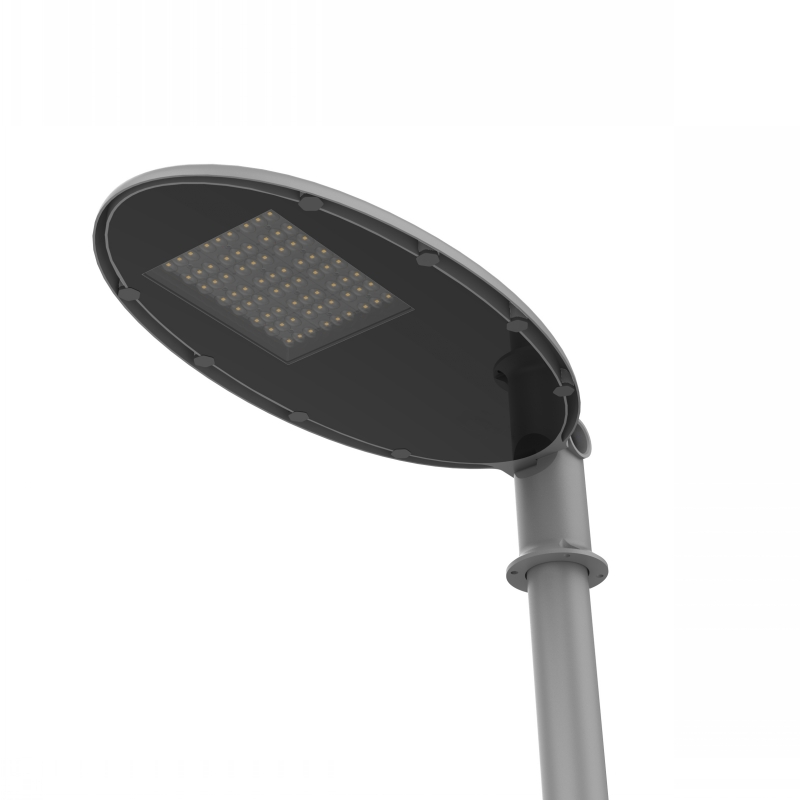
A recent study from Northeast Group, LLC forecasts that the global market for smart street lighting will total $50.4 billion by 2028, with LED and smart streetlights projected to reach 85% and 24% of the total streetlight market, respectively. www.ledlightinside.com
LEDs are driving this growth, due to their longer lifetimes, lower energy consumption, and reduced maintenance expenses, and they will continue to be the dominant technology moving forward. Partnered with streetlight controls, these networked streetlights accentuate the savings benefits of LED street lighting, along with improving public safety and setting the foundation for smart city applications. While many smart city technologies are in the early phases, implementing smart street lighting is the first step to opening up these opportunities, thus increasing urban efficiency and revenue for cities.
This growing market does face some challenges. Cities must work with utilities and regulators and between municipal departments to ensure that the benefits of smart streetlights are realized. They must also navigate a growing vendor landscape of new technology options, which requires recently developed standards organizations. For the most part, though, more cities worldwide are accepting the need for smart streetlight technology, with its cost savings, environmental benefits, and improved public safety.
About Shenzhen Riyueguanghua Lighting:
Shenzhen RIYUEGUANGHUA Technology Co., Limited is a professional LED light manufacturer
since 2013. which is specializing in research, manufacturing and sales of LED lighting products.
Factory building covers an area of 1500 square meters. Equipped with advanced production
facilities and production lines of tube light, par lamp, spotlight and outdoor lighting. Rely on
quality to survive, innovation to develop. Aim to "customer first, quality first, reputation first,
service first". Unremittingly strive to be the most professional LED enterprise with proactive
and innovation, based on excellence and refinement of work principle.